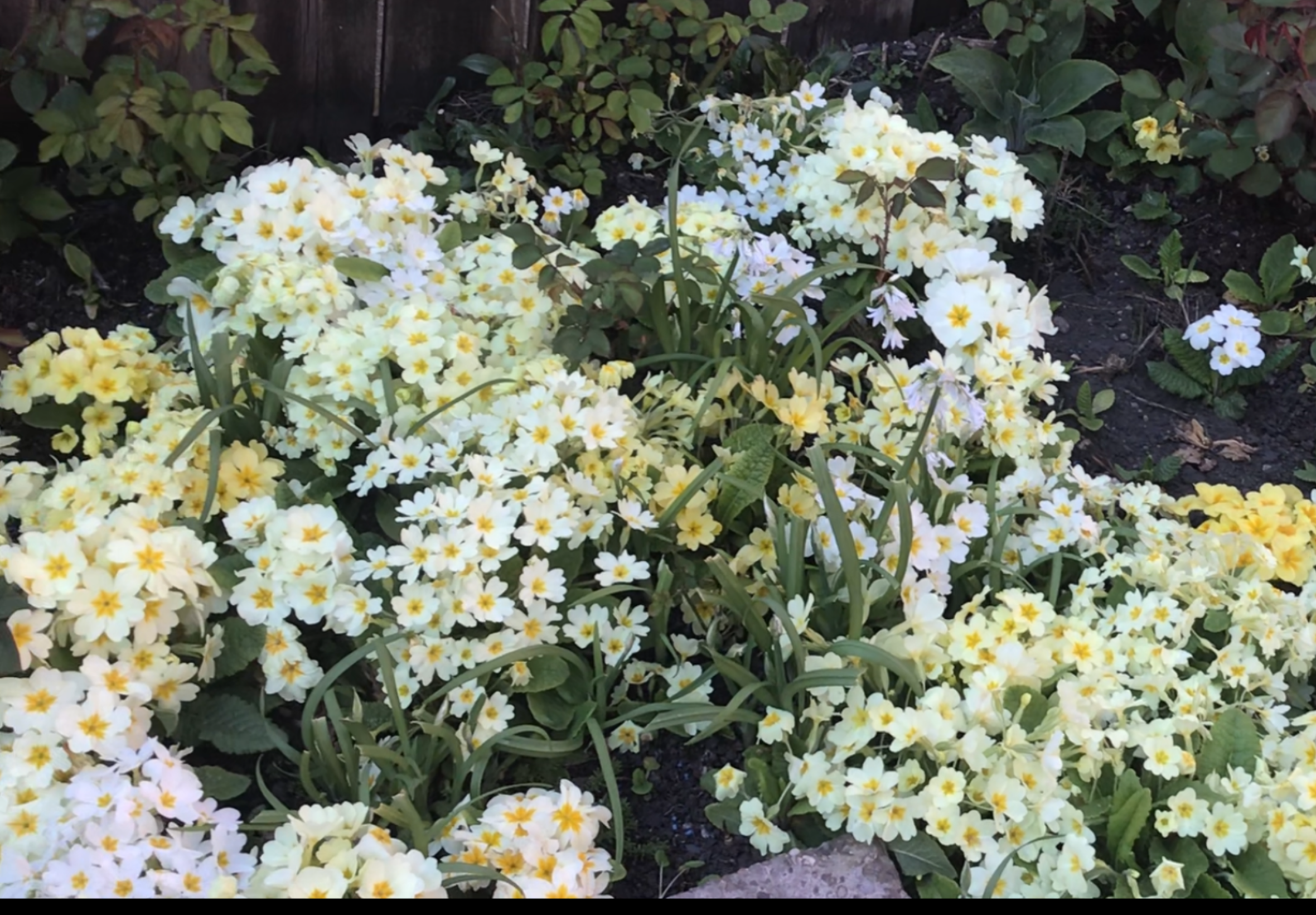
Polyanthus are one of the most versatile and rewarding spring-flowering perennials for UK gardens. In this detailed guide, we explore their history, growing requirements, propagation methods, and how they can naturally multiply to create spectacular displays of colour year after year.
Polyanthus In More Detail
What Are Polyanthus?
Polyanthus are among the most cheerful and reliable flowering plants found in British gardens. Closely related to primroses, Polyanthus (Primula × polyantha) are hardy perennials that produce clusters of brightly coloured flowers above rosettes of attractive green foliage. Their name comes from the Greek words meaning "many flowers," which perfectly describes their ability to produce masses of blooms during late winter and spring when many other plants are still dormant.
Available in a wide range of colours including yellow, red, purple, pink, orange, white and bi-colour combinations, Polyanthus are a favourite choice for gardeners looking to add early-season colour to borders, containers and woodland-style plantings. Their long flowering period and ease of care have made them a traditional feature of British cottage gardens for generations.
How Do Polyanthus Grow?
Polyanthus grow as low-growing clumps, typically reaching a height of 15–30 cm (6–12 inches). The plants form neat rosettes of leaves from which flower stems emerge in spring. Each stem carries a cluster of blooms, creating a much fuller display than the single flowers produced by many primrose varieties.
These hardy perennials are capable of surviving cold winters and often begin flowering as early as February, continuing well into May depending on weather conditions. Once established, Polyanthus gradually increase in size and can spread naturally through self-seeding, forming attractive drifts of colour throughout a garden.
As the plants mature over several years, they often become more floriferous, producing larger numbers of flowers and developing into substantial clumps. This makes them an excellent long-term investment for gardeners seeking low-maintenance, reliable spring displays.
Where Do Polyanthus Grow Best?
Polyanthus thrive in cool, moist conditions and generally perform best in partial shade. In their natural environment, their ancestors would have grown in woodland clearings and meadows where they received protection from the strongest afternoon sun.
The ideal location is one that receives morning sunlight and afternoon shade. While Polyanthus can tolerate full sun in cooler regions of the United Kingdom, excessive heat and dry conditions may cause plants to become stressed during summer.
Soil quality is equally important. Polyanthus prefer fertile, moisture-retentive soil that drains well. Adding garden compost, leaf mould or well-rotted organic matter before planting will help create the rich growing conditions these plants enjoy. They dislike waterlogged ground during winter but also struggle in dry, sandy soils that lose moisture quickly.
Woodland gardens, shaded borders, underplanting around shrubs and mixed cottage garden borders are all excellent locations for growing Polyanthus successfully.
Caring for Polyanthus
One of the reasons Polyanthus remain popular is their relatively low maintenance requirements. During dry spells, particularly in spring and summer, plants benefit from regular watering. Applying a layer of compost or mulch around the plants helps retain moisture and suppress weeds.
Removing faded flowers can encourage a tidier appearance and prevent excessive self-seeding where this is not desired. However, many gardeners deliberately leave some flowers to set seed, allowing the plants to spread naturally and create larger displays over time.
A balanced fertiliser applied in early spring will support healthy growth and abundant flowering. Every few years, mature clumps can be lifted and divided to maintain vigour and create additional plants.
How to Propagate Polyanthus
Polyanthus can be propagated in several ways, making them one of the easiest flowering perennials to multiply.
Growing from Seed
The most natural method is through seed collection. After flowering, seed heads develop and eventually ripen during late spring and early summer. Once mature, seeds can be collected and sown into trays filled with moist seed compost.
Fresh seed generally provides the best germination rates. Seedlings may vary slightly in colour and flower form from the parent plants, often producing interesting and unique combinations. This natural variation is one of the pleasures of growing Polyanthus from seed.
Many gardeners simply allow seeds to fall naturally around established plants. Given suitable conditions, self-seeded seedlings will often appear the following season.
Division
Division is the quickest way to create new plants that are identical to the parent. Established clumps can be lifted in autumn or after flowering and carefully separated into smaller sections, each with roots attached.
These divisions can then be replanted immediately in prepared soil and watered well. Most divisions establish quickly and often flower again the following spring.
Natural Self-Seeding
Perhaps the easiest propagation method of all is allowing nature to take its course. Healthy Polyanthus readily self-seed when conditions are favourable. Over several years, a handful of original plants can develop into hundreds of offspring, creating impressive carpets of spring colour. This approach is particularly valuable in sustainable gardens where gardeners seek to reduce costs while increasing plant numbers naturally.
Why Gardeners Love Polyanthus
Polyanthus have remained popular for centuries because they combine beauty, reliability and ease of cultivation. They provide valuable colour during the late winter and early spring months when gardens can often appear bare and lifeless. Their ability to thrive in shaded locations makes them useful for difficult areas where other flowering plants may struggle.
Whether planted in formal borders, cottage gardens, woodland settings or containers, Polyanthus reward gardeners with years of dependable performance. With a little patience and the occasional helping hand from nature, a small collection of plants can gradually develop into a spectacular spring display that returns year after year.